
ROWING
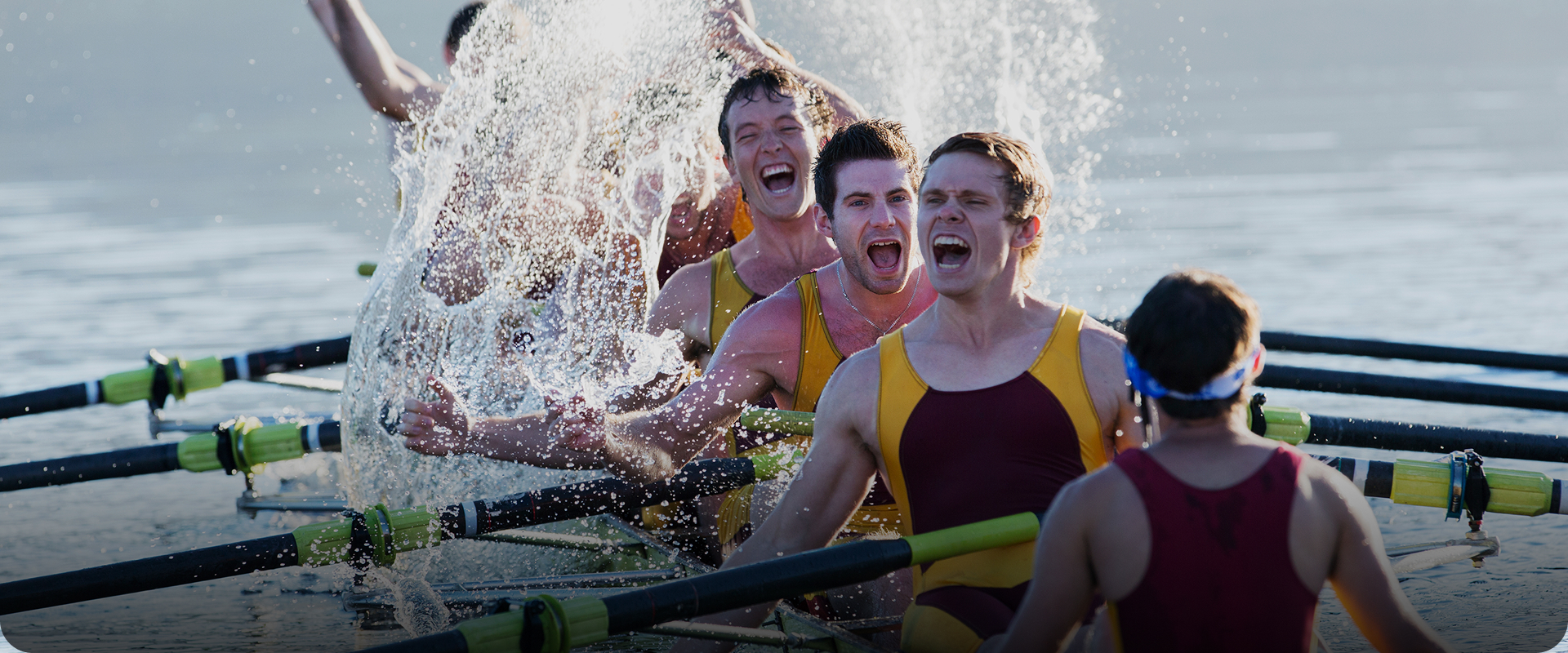
Rowing is an on-water sport in which athletes propel a boat with oars, competing in speed and balance.
It builds full-body strength and cardio endurance at once,
and demands strong teamwork and focus.
Rowing Events
-
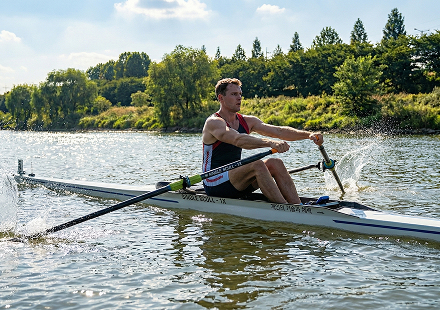
Single Scull (1X)
One rower uses two oars. Individual technique and fitness are fully on display. Balance, rhythm, and focus matter most—ideal for basic training and assessing individual ability.
-
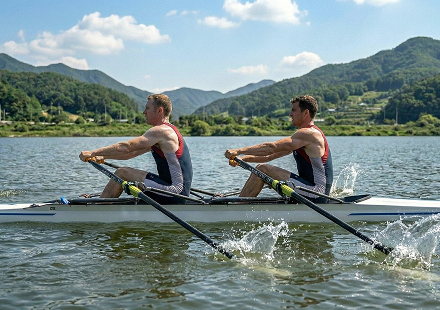
Double Scull (2X)
Two rowers, each with two oars. Along with individual skill, synchronized rhythm and timing are essential in this crew event.
-
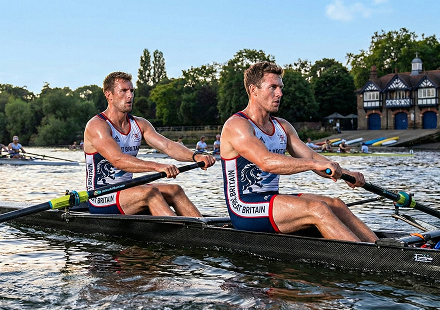
Coxless Pair (2-)
Two rowers, one oar each, no coxswain. Requires precise technique and strong teamwork—a demanding event.
-
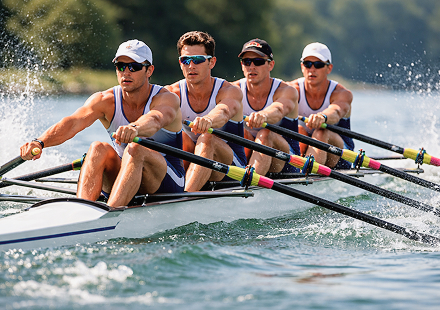
Quadruple Scull (4X)
Four rowers, each with two oars. A fast boat that combines crew unity and power.
-
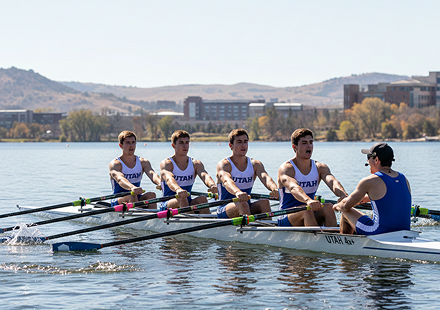
Coxed Quadruple Scull (4x+)
A quadruple scull with a coxswain. Allows steady steering and race tactics—well suited to squad training.
-
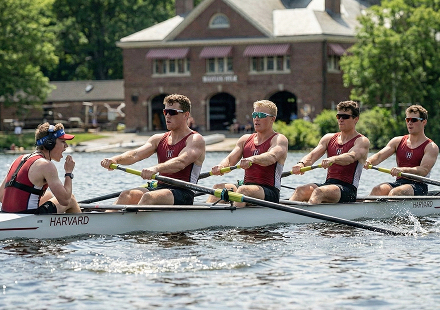
Coxed Four (4+)
Four rowers and one coxswain. Under the cox’s direction,
a good event to learn organization and teamwork. -
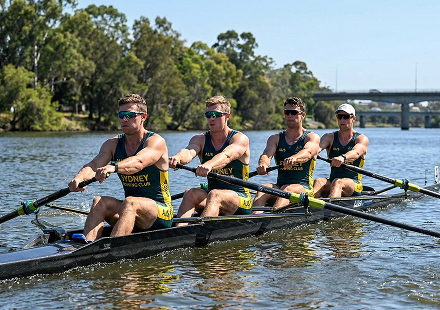
Coxless Four (4-)
Four rowers, one oar each, no coxswain. Demands precise timing and technical mastery—an elite-level event.
-
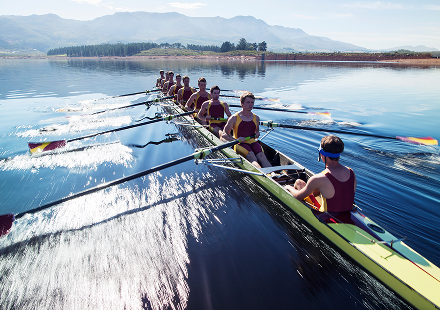
Eight (8+)
Eight rowers plus a coxswain. The most dynamic rowing boat
and the event that showcases rowing’s team-sport appeal.

- CEO
- Woo-seung Nam
- Address
- Room 303, 3F, 160-6 Haedoji-ro, Yeonsu-gu, Incheon, Korea
- Business Registration No.
- 470-88-03316
- TEL
- +82-32-243-9001
- athrix.ceo@gmail.com
Copyright (C) ATHRIX. All Rights Reserved.
Designed by WebSite.co.kr